



“If there’s a cure, I’ll give it to you. I have camp!”
• An Ongoing Process Made Easier
• Blood Glucose Monitoring
• Insulin Administration
• Meal Plans
• Diabetes “SCOOP”
• The Teachable Moment
An Ongoing Process Made Easier
Diabetes Education is an integral part of all that we do at The Barton Center. All programs are based on a positive approach to living with diabetes. Every aspect of diabetes management is carefully monitored and supervised by our thoroughly trained, on-site Health Care Team, which includes Physicians, Nurses, Nutritionists and Social Workers. Whether it is using a lancet for the first time or learning how to change an infusion set, each camper is encouraged to learn at their own pace. Diabetes education is a key factor in living well with diabetes. Intermingled into the camp schedule are formal diabetes education sessions and “teachable moments.” We offer numerous opportunities to learn about new technologies in the world of diabetes care as well as fun health and wellness activities that aim to leave each young person with improved self-confidence in the management of their diabetes.
Blood Glucose Monitoring
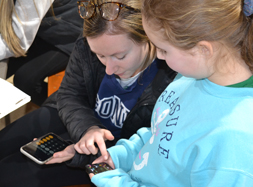
Conducted four times daily and whenever necessary, alongside peers and closely supervised by staff, or by parents at weekend programs.
Insulin Administration
Nurses and counselors assist campers in small groups. It is not uncommon for the campers to take insulin alongside a counselor…who is also taking insulin! They teach them the proper method for drawing up and injecting insulin. When seeing their peers inject their own insulin, our younger campers are often inspired to do so as well. However, those who rely on or want adult assistance get support from a staff member or nurse.
Meal Plans
So your child is a picky eater? No problem! Fun food, individually tailored to meet campers’ needs, likes and dislikes, is provided at Barton. ADA exchanges and carbohydrate counting menus are provided and reviewed.
Diabetes “SCOOP”
SCOOP (Sharing Choices & Overcoming Obstacles with Peers & Professionals), provides campers the opportunity to learn about diabetes and its management in a fun, relaxed environment.
The Teachable Moment
There are many opportunities to learn about diabetes during everyday experiences at camp. For example, if during an activity, a child feels she has a low-blood sugar, we don’t stop the activity or have the child sent to the health care center. The game goes on while the child and a staff member sit to the side, check her blood sugar, treat if necessary, and then return to the game.
Teaching a child to come to an activity prepared to deal with a potential low-blood sugar by bringing blood-glucose monitoring supplies and extra snacks is part of living every day with diabetes, but is often a preparedness skill taken over by parents. Barton helps kids see the advantages of staying in the game and not missing the fun. We teach children with diabetes that, although they have to be more prepared than children without diabetes, they, too, can do whatever they desire.